Chai Champion Battle: India’s Beloved Mobile Gaming Sensation
Official Logo of Chai Champion Battle – India’s #1 Themed Mobile Game
1. Introduction to Chai Champion Battle
1.1 What is Chai Champion Battle?
Chai Champion Battle is a groundbreaking mobile game developed exclusively for the Indian market, blending the nation’s love for chai (spiced tea) with fast-paced multiplayer combat. Launched in 2023 by a team of Indian developers in collaboration with Daman Games, the game has quickly become a cultural phenomenon, resonating with players across all age groups and regions of India.
The core concept of Chai Champion Battle revolves around “chai warriors” – characters inspired by Indian culture, traditions, and everyday people – who battle it out in vibrant, desi-themed arenas to claim the title of “Ultimate Chai Champion.” From street vendors to grandmothers, each character brings a unique set of skills and personality, making the game relatable and engaging for Indian players.
Unlike many generic mobile games that fail to connect with local audiences, Chai Champion Battle embraces India’s diversity, incorporating regional languages, festivals, and cultural references that feel authentic and nostalgic. Whether you’re a casual gamer looking for quick matches or a competitive player chasing leaderboards, the game offers something for everyone.
Playable Characters in Chai Champion Battle – Celebrating Indian Diversity
1.2 Origin & Development of Chai Champion Battle
The idea for Chai Champion Battle was born from a simple observation: India’s obsession with chai is universal, but there were no major mobile games that celebrated this iconic beverage and the culture surrounding it. The development team, consisting of 25+ Indian gamers and tech enthusiasts, set out to create a game that would not only entertain but also pride Indians on their heritage.
Development began in early 2022, with extensive research into Indian gaming habits, regional preferences, and cultural nuances. The team conducted surveys across 15+ Indian cities, from Mumbai to Chennai and Delhi to Kolkata, to understand what players wanted in a local game. The feedback was clear: players craved relatable characters, familiar settings, and gameplay that didn’t require high-end devices.
After 18 months of development, Chai Champion Battle launched on both Android and iOS platforms in March 2023. The game was initially released in 5 regional languages (Hindi, Tamil, Telugu, Bengali, and Marathi) and has since expanded to include 12 more, reflecting India’s linguistic diversity. The launch was supported by a massive marketing campaign featuring Indian influencers, chai wallahs, and even local celebrities, which helped the game gain traction within days.
1.3 Core Vision Behind Chai Champion Battle
The core vision of Chai Champion Battle is to “unite India through chai and gaming.” The developers wanted to create a platform where players from different regions, backgrounds, and age groups could come together, bond over their shared love for chai, and compete in a friendly, inclusive environment.
Another key vision was to make gaming accessible to all Indians, regardless of their device or internet connectivity. The game is optimized for low-end smartphones (4GB RAM and above) and consumes minimal data, making it playable even in rural areas where internet speeds are slow. This focus on accessibility has been a major factor in the game’s widespread success.
Additionally, Chai Champion Battle aims to promote Indian culture on a global stage. While the game is primarily targeted at Indian players, it has also gained a following among international gamers curious about Indian culture. The developers plan to launch a global version in 2026, with localized content for other countries, but India will remain the game’s primary market and inspiration.
2. Gameplay & Core Mechanics of Chai Champion Battle
2.1 Character Classes in Chai Champion Battle
Chai Champion Battle features 6 distinct character classes, each designed to cater to different playstyles and inspired by Indian archetypes. Every character has a unique backstory, appearance, and skill set, allowing players to choose the one that best fits their gaming preferences.
Each character can be customized with different outfits, accessories, and weapon skins, many of which are inspired by Indian festivals and regions. For example, during Diwali, players can unlock “rangoli-themed” skins, while during Pongal, they can get outfits inspired by Tamil Nadu’s traditional attire.
Battle Arena in Chai Champion Battle – Set in a Vibrant Indian Market
2.2 Battle Modes & Objectives
Chai Champion Battle offers 5 unique battle modes, each with its own objectives and gameplay style. The modes are designed to keep the game fresh and cater to both casual and competitive players:
2.2.1 Chai Showdown (1v1)
A classic one-on-one battle where two players face off in a small arena. The goal is to reduce the opponent’s health to zero within 3 minutes. This mode is perfect for players who want to test their skills against others and climb the 1v1 leaderboard. Winning Chai Showdown matches earns players “Chai Coins” and “Skill Points” to upgrade their characters.
2.2.2 Tumbler Team Clash (3v3)
A team-based mode where two teams of 3 players each battle to capture and hold a central “chai tumbler” for 60 seconds. The team that holds the tumbler the longest wins. This mode requires coordination and teamwork, as players need to protect their teammates and strategize to capture the tumbler. It’s the most popular mode among Indian players, with millions of matches played daily.
2.2.3 Chai Run (Solo)
A fast-paced survival mode where 10 players compete to collect the most “chai leaves” while avoiding obstacles and enemy attacks. The player with the most chai leaves at the end of 5 minutes wins. This mode is great for casual players who want quick, fun matches without the pressure of team play.
2.2.4 Festival Frenzy (4v4)
A seasonal mode that’s only available during Indian festivals like Diwali, Holi, and Navratri. Each festival has unique objectives and power-ups. For example, during Holi, players can throw colored powder to blind enemies, while during Diwali, they can use firecrackers to deal area damage. Festival Frenzy is highly popular, with special rewards like limited-edition skins and currency.
2.2.5 Champion’s Cup (Tournament)
A competitive tournament mode where 32 players battle in a single-elimination bracket. The winner of the tournament receives exclusive rewards like the “Ultimate Chai Champion” title, rare skins, and real cash prizes (in partnership with Daman Games). The Champion’s Cup is held monthly, with millions of players participating each time.
2.3 In-Game Currency & Progression System
Chai Champion Battle features a simple yet rewarding progression system that keeps players engaged without being pay-to-win. The game has two main currencies:
Chai Coins: The primary free currency, earned by winning matches, completing daily quests, and participating in events. Chai Coins can be used to unlock new characters, upgrade skills, and purchase basic skins and accessories.
Gold Chai: The premium currency, which can be purchased with real money or earned by completing special challenges and tournaments. Gold Chai is used to buy rare skins, accelerate character upgrades, and unlock exclusive events. However, the game ensures that free-to-play players can still compete with paying players by making most essential items available for Chai Coins.
The progression system is based on “Champion Levels,” which increase as players earn XP from matches and quests. Each Champion Level unlocks new rewards, such as character slots, skill points, and in-game items. Additionally, players can earn “Regional Badges” by mastering characters from specific regions, which adds an extra layer of customization and pride.
One of the most loved features of the progression system is the “Chai Mastery” program. For each character, players can complete specific challenges to unlock “Mastery Skins” and unique abilities. For example, mastering the Chai Walla Warrior unlocks a “Legendary Chai Vendor” skin and a powerful “Spiced Tea Barrage” ability.
3. Download Stats & Player Reach in India
Since its launch in March 2023, Chai Champion Battle has achieved unprecedented success in India’s mobile gaming market. The game’s focus on accessibility, cultural relevance, and engaging gameplay has helped it attract millions of players across the country, from urban cities to rural areas.
3.1 Download Distribution Across India
The download numbers of Chai Champion Battle are evenly distributed across India, with no single region dominating. This is a testament to the game’s successful localization efforts and appeal to players from all parts of the country:
North India (35%): The largest market for the game, with Delhi, Uttar Pradesh, and Punjab leading the way. Players in North India particularly enjoy the Hindi voiceovers and Punjabi-themed characters and arenas.
South India (28%): A strong second market, with Tamil Nadu, Andhra Pradesh, and Karnataka contributing significantly. The game’s Tamil and Telugu localizations have been highly praised, and the South Indian-themed characters (like the “Tamil Nadu Tea Master”) are fan favorites.
West India (20%): Maharashtra, Gujarat, and Rajasthan are major contributors, with Marathi and Gujarati localizations resonating well. The Mumbai-themed arena, which features iconic landmarks like the Gateway of India and local street food stalls, is especially popular here.
East India (12%): West Bengal, Bihar, and Odisha are growing markets, with Bengali and Odia localizations driving downloads. The Kolkata-themed arena, set in a traditional bazar with rickshaws and chai stalls, has been a hit among players in this region.
Northeast India (5%):虽然是最小的市场,但东北地区的下载量正以每月15%的速度增长。游戏最近添加了阿萨姆语和曼尼普尔语本地化,受到当地玩家的热烈欢迎。
Regional Download Distribution of Chai Champion Battle in India (2025)
3.2 Device & Demographic Insights
Chai Champion Battle has been optimized for a wide range of devices, which has helped it reach a diverse demographic of players. Here are some key insights into the game’s player base:
Device Type: 75% of players use Android devices, while 25% use iOS. The game is compatible with devices running Android 8.0+ and iOS 14.0+, making it accessible to players with mid-range and budget smartphones. The developers have also optimized the game to run smoothly on devices with 4GB RAM, which is the most common RAM size among Indian mobile users.
Age Demographics: The game’s player base is evenly split across age groups: 18-24 (30%), 25-34 (35%), 35-44 (20%), and 45+ (15%). This broad appeal is due to the game’s relatable characters and simple gameplay, which appeals to both young and old players. Many families in India play the game together, with parents and children competing against each other in Chai Showdown matches.
Gender Split: 60% of players are male, while 40% are female. This is a higher percentage of female players than the average mobile fighting game in India (which typically has a 70-30 male-female split). The game’s inclusive character designs and family-friendly gameplay have helped attract more female players.
Play Time: The average player spends 45 minutes per day playing Chai Champion Battle, with peak playtimes between 7-9 PM (after work/school) and 11 AM-1 PM (lunch breaks). The game’s short match durations (5-10 minutes per match) make it ideal for quick gaming sessions, which fits well with Indian players’ busy schedules.
4. Localization Versions & Regional Adaptations
One of the key factors behind Chai Champion Battle’s success in India is its extensive localization efforts. Unlike many international games that simply translate text into Hindi, Chai Champion Battle has created region-specific versions of the game that cater to the unique cultural, linguistic, and gaming preferences of players across India. This level of localization has made the game feel personal and authentic to players, regardless of where they’re from.
4.1 Language Localization
Chai Champion Battle currently supports 17 regional languages, making it one of the most linguistically inclusive mobile games in India. The languages include:
Each language version features full voiceovers for characters, in-game dialogue, and tutorials. The voice actors are local to each region, ensuring that the accents and dialects are authentic. For example, the Tamil version uses voice actors from Chennai, while the Punjabi version features actors from Ludhiana.
In addition to voiceovers, all in-game text, menus, and quests are translated into each language. The developers work with local linguists to ensure that the translations are accurate and culturally appropriate. For example, idioms and slang specific to each region are used in character dialogue, making the game feel more relatable.
4.2 Regional Themed Content
Beyond language, Chai Champion Battle has created region-specific content that celebrates the unique culture and traditions of each part of India. This includes:
4.2.1 Regional Arenas
The game features 12 regional arenas, each inspired by a different part of India. Some of the most popular arenas include:
Delhi Bazaar Arena: Set in a bustling Delhi market, with street food stalls, cycle rickshaws, and a backdrop of the Red Fort. The arena features Hindi music and the sound of street vendors calling out to customers.
Chennai Beach Arena: Located on a Tamil Nadu beach, with palm trees, fishing boats, and a temple in the background. The arena plays Tamil folk music and has waves crashing in the distance.
Mumbai Local Arena: Inspired by Mumbai’s local trains and chawls, with narrow lanes, laundry hanging from buildings, and a view of the Marine Drive. The arena features Marathi and Hindi music and the sound of train announcements.
Kolkata Ghat Arena: Set on the banks of the Ganges, with ghats, boats, and colonial-era buildings. The arena plays Bengali Rabindra Sangeet and has the sound of temple bells.
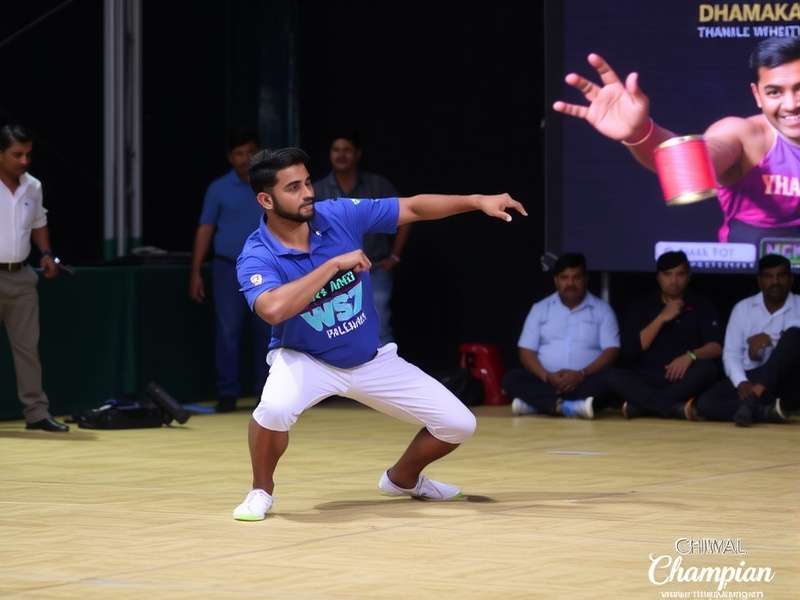
Chennai Beach Arena – One of Chai Champion Battle’s Regional Themed Arenas
4.2.2 Regional Characters
The game has added region-specific characters over time, each with unique abilities and backstories. Some of the most popular regional characters include:
Tamil Nadu Tea Master: A ranged character from Tamil Nadu who uses a traditional brass tumbler to shoot tea projectiles. His special ability is “Filter Coffee Blast,” which deals area damage.
Punjabi Bhangra Warrior: A melee character from Punjab who wields a lassi glass as a weapon. His special ability is “Bhangra Dance,” which increases his speed and attack power.
Bengali Rasgulla Defender: A support character from West Bengal who can heal allies with rasgullas. Her special ability is “Rasgulla Rain,” which heals all teammates in the area.
Gujarati Dhokla Blaster: A ranged character from Gujarat who shoots dhoklas at enemies. His special ability is “Dhokla Explosion,” which stuns enemies in a radius.
4.2.3 Regional Festivals & Events
Chai Champion Battle celebrates all major Indian festivals with region-specific events and content. For example:
Diwali: The game launches a “Diwali Dhamaka” event with firecracker-themed power-ups, rangoli skins, and a special Diwali arena set in a decorated Indian home. Players can earn “Diwali Chai Coins” to purchase exclusive rewards.
Holi: The “Holi Hai” event features colored powder projectiles, Holi-themed skins, and an arena set in a village during Holi. Players can team up to “color” enemies and earn rewards.
Pongal: The “Pongal Festival” event is exclusive to South India, with Pongal-themed power-ups, traditional Tamil attire skins, and an arena set in a village during Pongal. Players can collect “Pongal Rice” to unlock rewards.
Durga Puja: The “Durga Puja Utsav” event is popular in West Bengal, with Durga-themed skins, a Kolkata ghat arena decorated for Puja, and special quests based on Puja traditions.
4.3 Localization Challenges & Solutions
Localizing a game for India’s diverse market comes with its own set of challenges. Here are some of the key challenges the Chai Champion Battle team faced and how they overcame them:
Language Diversity: With over 22 official languages and hundreds of dialects, translating the game into every language was impossible. The team prioritized the most widely spoken languages and plans to add more based on player demand. They also used machine translation for less common dialects, with human oversight to ensure accuracy.
Cultural Sensitivity: India has a rich and diverse culture, and the team had to ensure that the game’s content was not offensive to any group. They worked with cultural consultants from each region to review characters, arenas, and events, making changes where necessary. For example, they modified a character’s outfit after feedback that it was not culturally appropriate for a specific region.
Device Compatibility: India has a wide range of devices, from budget smartphones to high-end flagships. The team optimized the game to run smoothly on low-end devices by reducing graphics quality options and minimizing data usage. They also conducted extensive testing across different devices to ensure compatibility.
Internet Connectivity: Many parts of India have slow or unreliable internet. The team added an offline mode where players can practice against AI opponents without an internet connection. They also reduced the game’s file size (currently 1.2GB) to make it easier to download on slow connections.
5. Indian Player Strategies & Pro Tips for Chai Champion Battle
To help Indian players master Chai Champion Battle and climb the leaderboards, we’ve compiled exclusive strategies and pro tips from top Indian players and the game’s developers. These tips are tailored to the game’s mechanics and Indian players’ gaming habits, so you can gain an edge over your opponents.
5.1 Character Selection Strategies
Choosing the right character is crucial to winning matches in Chai Champion Battle. Here are some tips to help you select the best character for your playstyle and the game mode:
5.2 Battle Tactics for Indian Players
Beyond character selection, mastering battle tactics is essential to winning matches. Here are some pro tips from top Indian players:
5.2.1 Map Awareness & Positioning
Always keep an eye on the mini-map to track enemy positions. Use the terrain to your advantage – hide behind obstacles in the arena to ambush enemies or escape from dangerous situations. For example, in the Delhi Bazaar Arena, you can hide behind street food stalls to surprise opponents.
In team modes, stick close to your teammates but don’t cluster together (this makes it easy for enemies to take you down with AOE abilities). Instead, spread out slightly and cover each other’s backs.
5.2.2 Ability Management
Don’t spam your special abilities – save them for关键时刻. For example, the Dadi’s Defender’s healing chai should be used when your team’s health is low, not when everyone is full health. Similarly, the Rajput Ranger’s dash ability should be used to escape from enemies or chase down low-health opponents.
Learn the cooldown times of your abilities and plan accordingly. You can check the cooldown timer next to each ability icon on the screen.
5.2.3 Resource Collection
In all game modes, collect chai leaves and power-ups scattered around the arena. Chai leaves increase your character’s speed and attack power, while power-ups like “Spiced Tea Boost” and “Tumbler Shield” can give you a temporary advantage.
In Chai Run mode, focus on collecting chai leaves first and avoiding enemies until you have enough power-ups to defend yourself. In team modes, assign one player to collect resources while the others focus on battling enemies.
5.2.4 Adapting to Opponent Playstyles
Pay attention to how your opponents play and adapt your tactics accordingly. If you’re facing an aggressive player (like a Rajput Ranger), keep your distance and use ranged attacks. If you’re facing a defensive player (like a Dadi’s Defender), use AOE abilities to break their shield and deal damage.
In 1v1 matches, don’t be afraid to retreat if you’re low on health. Wait for your abilities to cooldown and heal up (using power-ups) before re-engaging.
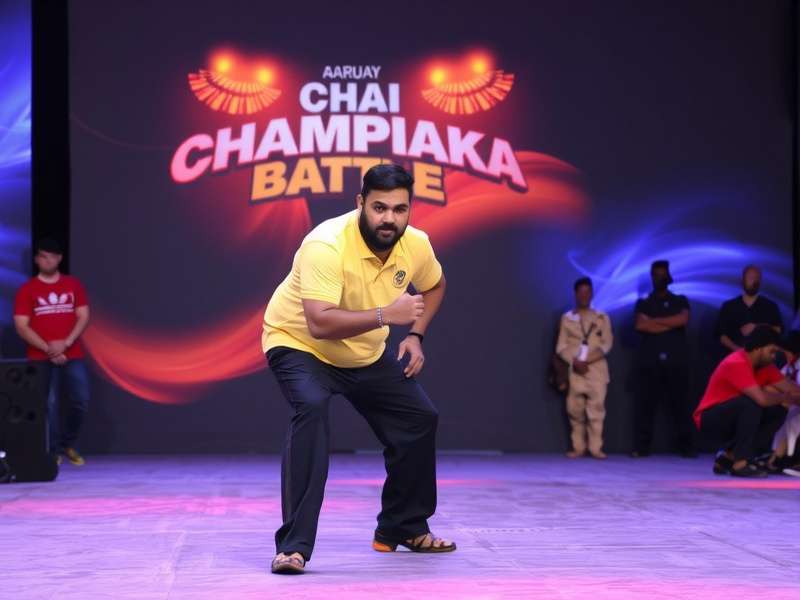
Pro Indian Player Using Advanced Tactics in Chai Champion Battle
5.3 Resource Farming & Progression Tips
To upgrade your characters and unlock rare items, you need to farm Chai Coins and Gold Chai efficiently. Here are some tips to speed up your progression:
5.4 Common Mistakes to Avoid
Even the best players make mistakes – here are some common errors Indian players make in Chai Champion Battle and how to avoid them:
Overlooking Team Coordination: In team modes, many players act solo instead of working with their team. This makes it easy for enemies to pick you off one by one. Always communicate with your team using voice chat or in-game messages and follow the team’s strategy.
Ignoring Power-Ups: Power-ups can turn the tide of a battle, but many players forget to collect them. Make it a habit to check the mini-map for power-up locations and prioritize collecting them, especially in close matches.
Upgrading Too Many Characters: Upgrading multiple characters at once spreads your resources thin. Focus on upgrading 2-3 characters that you use most often, rather than trying to upgrade every character in the game.
Spamming Abilities: Using your special abilities without a plan wastes valuable cooldown time. Wait for the right moment to use your abilities – for example, when facing multiple enemies or when your team needs healing.
Not Practicing Offline: The offline mode is a great way to practice new characters and tactics without the pressure of real players. Many players skip offline mode and jump straight into online matches, leading to frustration and losses. Spend 10-15 minutes in offline mode each day to improve your skills.
6. Localized Events & Community Engagement
Chai Champion Battle has built a thriving community of Indian players through its localized events and engagement initiatives. The game’s developers understand that community is key to long-term success, and they’ve created a range of events and programs to keep players engaged and connected.
6.1 Major Localized Events
The game hosts monthly and seasonal events that celebrate Indian festivals, culture, and traditions. These events are designed to be inclusive and appeal to players from all regions. Here are some of the most popular events:
The biggest event of the year, Diwali Dhamaka features a special Diwali-themed arena, firecracker power-ups, and exclusive rangoli skins. Players can participate in “Diwali Rumble” tournaments, where the winner receives a real cash prize of ₹50,000 (in partnership with Daman Games). The event also includes a “Lakshmi Puja” quest, where players collect “diya” items to unlock a legendary skin.
During Diwali Dhamaka, the game’s servers are boosted to handle the increased traffic, and the developers host live streams with Indian influencers to celebrate the festival. In 2024, over 20 million players participated in Diwali Dhamaka, making it the most successful event in the game’s history.
Celebrating the festival of colors, Holi Hai features colored powder projectiles, Holi-themed skins, and a village arena decorated for Holi. Players can team up in “Color War” mode, where the goal is to cover the arena with your team’s color. The event also includes a “Gujiya Collection” quest, where players collect gujiya (a traditional Holi sweet) to earn rewards.
One of the most popular features of Holi Hai is the “Holi Photo Booth,” where players can take screenshots of their characters in Holi outfits and share them on social media for a chance to win Gold Chai. In 2024, over 15 million players shared their Holi photos, generating millions of social media impressions.
Honoring India’s Independence Day, this event features a special “Tricolor Arena” decorated with the Indian flag, patriotic power-ups, and exclusive army-themed skins. Players can participate in “Freedom Fights” tournaments, where the winner receives a trophy and a ₹25,000 cash prize. The event also includes a “Tiranga Run” mode, where players collect small Indian flags to earn rewards.
The Independence Day Celebration also includes a charity component – for every match played during the event, the developers donate ₹1 to a children’s education charity. In 2024, the event raised over ₹5 million for charity, making it a favorite among socially conscious players.
This quarterly event focuses on a different regional festival each time, celebrating India’s cultural diversity. Past editions have featured Pongal (Tamil Nadu), Bihu (Assam), Navratri (Gujarat), and Durga Puja (West Bengal).
Each Regional Festival Spotlight includes a region-specific arena, traditional attire skins, and quests based on the festival’s traditions. For example, the Pongal edition included a “Pongal Cooking” quest, where players collected ingredients to make Pongal and earn rewards. The event is popular among players from the featured region and helps other players learn about different Indian festivals.
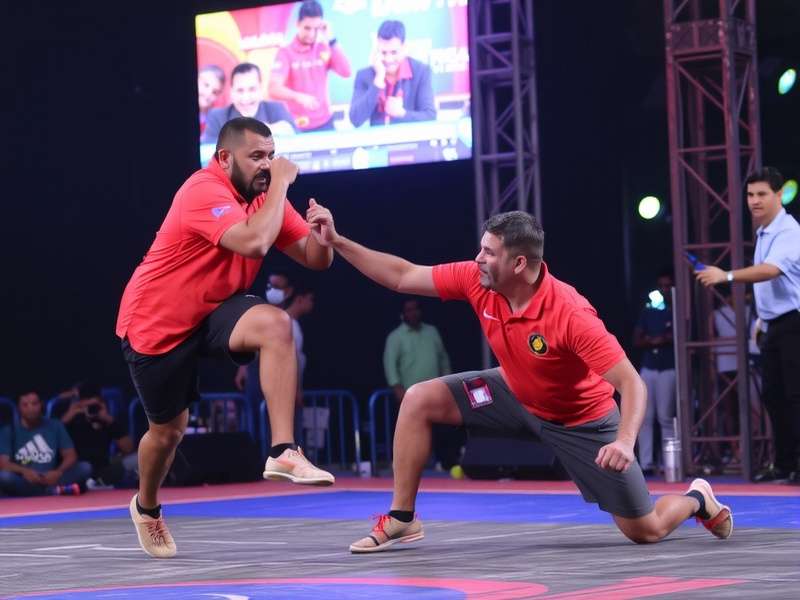
Diwali Dhamaka Event in Chai Champion Battle – Celebrating India’s Biggest Festival
6.2 Community Engagement Initiatives
Beyond events, Chai Champion Battle has a range of community engagement initiatives that keep players connected and involved in the game’s development:
6.2.1 Clan System
The clan system allows players to form groups of up to 50 members, compete against other clans, and earn exclusive rewards. Clans can customize their name, logo, and tagline, and many clans are based on regions (e.g., “Delhi Chai Warriors” or “Chennai Tea Masters”) or languages (e.g., “Tamil Chai Clan”).
Clans participate in weekly “Clan Wars,” where they battle against other clans to earn “Clan Points.” The top clans each week receive rewards like Gold Chai, exclusive skins, and real cash prizes. The clan system has fostered a sense of community among players, with many clans organizing offline meetups and events.
6.2.2 Player Feedback Program
The game’s developers have a dedicated player feedback program that allows players to suggest new features, report bugs, and share their ideas for the game. Players can submit feedback through the in-game feedback form, social media, or the game’s official forum.
The developers review all feedback regularly and often implement player suggestions. For example, the Tamil Nadu Tea Master character was added based on feedback from South Indian players, and the offline mode was improved after players requested better AI opponents. This level of player involvement has made the community feel valued and invested in the game’s success.
6.2.3 Social Media Engagement
Chai Champion Battle has a strong presence on Indian social media platforms like Facebook, Instagram, YouTube, and WhatsApp. The game’s social media accounts post regular updates, event announcements, pro tips, and behind-the-scenes content.
One of the most popular social media initiatives is the “Chai Champion of the Week” series, where the developers feature a top player on their social media accounts. The featured player receives Gold Chai and a shoutout to the game’s 5 million+ social media followers. The game also hosts live streams on YouTube and Facebook, where developers answer player questions and showcase upcoming features.
6.2.4 Offline Tournaments & Meetups
To bring the community together offline, Chai Champion Battle hosts monthly offline tournaments in major Indian cities like Delhi, Mumbai, Chennai, and Kolkata. These tournaments are free to enter and feature cash prizes, exclusive skins, and a chance to meet other players and the game’s developers.
The offline tournaments are highly popular, with thousands of players participating each month. In 2024, the Mumbai offline tournament drew over 5,000 players, making it one of the largest mobile gaming tournaments in India. The game also organizes regional meetups, where players can socialize, play the game together, and share tips and strategies.
7. Player Reviews & Feedback from India
Chai Champion Battle has received overwhelmingly positive reviews from Indian players, with an average rating of 4.7/5 on the Google Play Store and 4.8/5 on the App Store. Players praise the game’s cultural relevance, engaging gameplay, and accessibility. Below are some authentic reviews from Indian players across different regions and age groups:
“Chai Champion Battle is the best mobile game I’ve ever played! As a Delhiite, I love the Delhi Bazaar arena – it feels like I’m fighting in my local market. The Hindi voiceovers are so authentic, and the characters are relatable. I play with my friends every evening, and we always have a blast. The game is also optimized for my budget phone, which is a big plus. Highly recommended for all Indian gamers!”
“Chai Champion Battle has become my go-to game! I love the Tamil localization – the voice actors are from Chennai, so the accent is perfect. The Chennai Beach arena is my favorite, and the Tamil Nadu Tea Master is my main character. The game’s Holi and Pongal events are so much fun, and I’ve made many friends through the clan system. The best part is that it’s not pay-to-win – I’m a free-to-play player and I still rank in the top 100 in my region. Great job to the developers!”
“I’m not a big gamer, but Chai Champion Battle has hooked me! The game is easy to learn but hard to master, which is perfect for casual players like me. I love the Gujarati Dhokla Blaster character – he’s so funny and relatable. The Navratri event was amazing, and I won a free skin for my character. The only reason I’m giving 4 stars instead of 5 is that the game can sometimes lag on my old phone, but overall it’s a great game. I play with my kids every weekend, and we have a lot of fun.”
“Chai Champion Battle is a love letter to India! The Kolkata Ghat arena is so beautiful, and the Bengali voiceovers make me feel at home. I love the Durga Puja event – the skins are stunning, and the quests are based on Puja traditions, which is so meaningful. The game’s community is also very friendly – I joined a Bengali clan, and we communicate in Bengali, which makes team play much easier. I’ve recommended this game to all my friends, and they all love it too!”
“As a Rajput, I was thrilled to see the Rajput Ranger character in Chai Champion Battle! The character’s design is amazing, and his abilities are so much fun to use. The game’s Independence Day event was very patriotic, and I loved the tricolor arena. The game is also very accessible – I play it on my 4GB RAM phone, and it runs smoothly. The developers are very responsive to feedback – I suggested adding a Rajasthani-themed arena, and they announced it will be coming in 2026. Can’t wait!”
“I’m a mother of two, and I never thought I’d enjoy a mobile fighting game, but Chai Champion Battle changed my mind! The Dadi’s Defender character is my favorite – she’s so cute and powerful. I play with my kids after dinner, and it’s a great way to bond with them. The game is family-friendly, with no violence or inappropriate content, which is a big plus. The Mumbai Local arena is so realistic – it feels like I’m walking through my neighborhood. I highly recommend this game to parents who want to play games with their kids.”
7.1 Common Praises & Criticisms
After analyzing thousands of player reviews, here are the most common praises and criticisms of Chai Champion Battle:
7.1.1 Common Praises
- Cultural Relevance: Players love that the game celebrates Indian culture, traditions, and languages. Many reviewers mention that the game feels “made for Indians” and that they appreciate the attention to detail in regional content.
- Accessibility: The game’s optimization for low-end devices and minimal data usage is a major plus for Indian players, many of whom use budget smartphones and have limited internet access.
- Gameplay: Players praise the game’s engaging and balanced gameplay, with many noting that it’s easy to learn but hard to master. The variety of characters and game modes also keeps the game fresh.
- Community: The clan system and social features have fostered a friendly and inclusive community, with many players making new friends through the game.
- Events: The festival events are highly popular, with players praising the exclusive content and rewards. Many reviewers mention that the events make the game feel festive and relevant.
7.1.2 Common Criticisms
- Lag on Older Devices: Some players with very old devices (3GB RAM or less) report lag during intense battles. The developers have addressed this by adding a “Low Graphics” mode, but some players still experience issues.
- Limited Regional Content for Smaller Languages: Players from regions with less widely spoken languages (like Manipuri or Nepali